

California EV Rebate: What You Need to Know
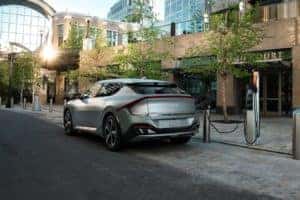
You can save thousands of dollars by going electric. In an effort to build a cleaner, more sustainable future, California is offering rebates and other incentives to put more electric vehicles (EV) on the road. With statewide initiatives like the Clean Fuel Reward program or the Clean Vehicle Rebate Project, you can put money in your pocket while helping the environment.
If you’re curious how the California EV rebate program works or the different types of incentives available, keep reading. We’ll break down what these programs are, the eligibility requirements, and how to apply.
What is the California Clean Fuel Reward?
The California Clean Fuel Reward (CCFR) is a statewide program intended to help the state reach its carbon reduction goals. By offering drivers a reward, the program aims to make EVs more accessible and affordable.
With the CCFR, drivers who purchase or lease a new battery-electric or plug-in hybrid (PHEV) vehicle can save money on their car. The reward is offered on a sliding scale depending on the battery size of up to $750 maximum. This program is separate from other federal and state tax credits, which can be combined to further reduce the cost.
Who is eligible for the California Clean Fuel Reward?
The CCFR is available to anyone who purchases or leases a new EV or PHEV with a battery capacity greater than 5 kWh from a participating retailer. There are no income or location restrictions within California; however, the vehicle must be registered in the state of California, and the customer must live in the state.
You can see how much you can save by using the list of eligible vehicles. If you’re looking to maximize savings, all Kia EV models are eligible for the maximum payout. Plug-in hybrid variations range from savings of $450 to $500 depending on the model.
How do I apply for the CCFR?
Unlike other incentive programs, the CCFR requires no application. Even better, it’s also immediately applied to your purchase or lease. Once you have worked out a deal, your reward will be listed on the lease or purchase agreement. Simply look for an item line like “rebate/non-cash credits” or “EV incentive.” If you don’t see it, be sure to ask the sales team as it may have been combined with other automaker rebates.
What is the Clean Vehicle Rebate Project?
The Clean Vehicle Rebate Project (CVRP) promotes clean energy by offering rebates of up to $7000 for drivers who go electric. As long as funding is available, drivers who purchase or lease new eligible zero-emission vehicles can apply for the rebate.
Since 2010, CVRP has helped put over 350,000 clean vehicles on California roads. At the time of writing, the state of California has renewed funding for the CVRP.
Who is eligible for the rebate?
To be eligible, you must live in California. There are also income caps, and drivers must submit an application within three months of purchasing or leasing the vehicle. For single filers, the income cap is $150,000, while joint filers under $300,000 still qualify.
Lower-income individuals may qualify for higher rebates. For more information, visit the Clean Vehicle Rebate Project website.
How do I apply for the Clean Vehicle Rebate Project?
Applying is simple. Before purchasing or leasing, be sure to check the list of eligible vehicles. The Kia Niro EV and Kia Soul EV, for example, are both eligible for a $2000 rebate. Once you’ve purchased or leased the car, you have 3 months to submit the required documents online. After that, the CVRP will review and process your application. If approved, you’ll receive a check in the mail.
Other EV incentives:
The CCFR and CVRP are only two of the many options available for EVs. Zero-emission vehicles pay back in several ways from daily gas savings, low maintenance costs, federal tax credits, and more. Here are some ways you can save with EVs:
- Federal EV Tax Credit: This tax credit can be used to reduce the taxes you owe in the year you purchase your vehicle. Tax credits can range from $2,500 up to $7,500 depending on the model.
- Consumer Assistance Program Vehicle Retirement: This program provides $1,000 to $1,500 to support the retirement of old, gas-powered vehicles.
- EV Charger Rebate: The Imperial Irrigation District (IID) offers rebates of $500 to customers who purchase and install a Level 2 (240V) plug-in electric vehicle home charger in 2021.
- Alternative Fuel Infrastructure Tax Credit: Customers who purchase qualified residential fueling equipment before December 31, 2021, may receive a tax credit of up to $1,000.
- High Occupancy Vehicle (HOV) Lane Exemption: Skip the traffic and drive in HOV lanes regardless of the number of occupants in your EV.
Certain conditions may apply to each incentive. To learn more about federal and state tax incentives, visit Electric for All.
Have any additional questions? We’re happy to help. Simply contact us online. You can also follow us on Facebook and Instagram to stay updated on the latest Nissan news.

0 comment(s) so far on California EV Rebate: What You Need to Know